
Boning Knives
A boning knife is designed to make everyday cooking easier, especially when slicing meat, poultry, or fish. Its narrow blade helps separate bones and joints with precision, making it a useful tool for preparing meals at home.
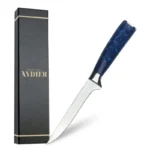
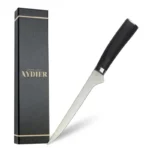
Boning Knife: Precision Tool for Meat, Poultry, and Fish
A boning knife is one of the most specialized tools in the kitchen. Its narrow, pointed blade is designed to separate meat from bone with accuracy and control. Unlike broader knives such as the chef’s knife or Japanese santoku, a boning knife works best for tasks that require detailed cuts: trimming fat, removing silver skin, or working around joints. Professional butchers rely on it daily, but it is just as valuable for home cooks who want cleaner cuts and less waste.Blade Flexibility and Use Cases
One of the key aspects of choosing a boning knife is the flexibility of the blade. A stiff blade provides power for larger cuts like beef or pork, making it easier to slice close to heavy bones. A flexible blade bends slightly, which helps when working with poultry or fish, allowing the knife to glide along delicate bones or under the skin. Semi-flex knives offer a middle ground for those who prepare a variety of meats and want a versatile option in their collection.Choosing the Right Size
Most boning knives range from 5 to 7 inches in length, and the right size often depends on the type of food you prepare most often. A 6-inch blade is considered the standard because it balances maneuverability with reach. Shorter blades provide greater control for precise work, while longer blades are better suited for larger cuts of meat. This makes the boning knife an essential partner to more general-purpose knives like santoku knives and chef’s knives, which handle chopping and slicing tasks.Materials and Construction
The performance of a boning knife is closely tied to the steel used in its construction. High-carbon steel blades are sharp and durable, holding an edge longer, but they require careful maintenance to avoid rust. Stainless steel is easier to care for and resists corrosion, making it popular for everyday use. Some premium boning knives are crafted in Damascus steel, where layers of metal create both strength and a distinctive wave-like pattern. The choice of material influences not just sharpness, but also how the knife feels in hand and how much care it requires.Care and Maintenance
A boning knife is only effective when kept sharp and clean. Regular honing keeps the edge aligned, while sharpening with a whetstone ensures precision cutting. Because the blade is thin and specialized, it should always be hand washed and dried immediately to prevent damage. Proper storage, such as a knife sheath or block, protects the blade and maintains its edge. With the right care, a boning knife can last for years and remain one of the most reliable tools in the kitchen.Why Every Kitchen Needs One
While knives like the santoku or chef’s knife handle a wide variety of daily cooking tasks, the boning knife shines in situations where precision is non-negotiable. Whether preparing a roast, filleting fish, or trimming poultry, this tool reduces waste, improves presentation, and makes the process safer and more efficient. For anyone who cooks meat or fish regularly, a boning knife is not just helpful but essential.Frequently Asked questions
What is a boning knife used for?
A boning knife is designed for removing bones from meat, poultry, and fish with precision and control.
What are the differences between a boning knife and a fillet knife?
A boning knife is stiffer and better for cutting meat away from bones, while a fillet knife is thinner and more flexible for removing skin and filleting fish.
Should I choose a stiff, flexible, or semi-flex boning knife?
Stiff blades work best for beef and pork, flexible blades are ideal for poultry and fish, and semi-flex options provide a balance of both.
What is the best blade length for a boning knife?
Most boning knives are 5 to 7 inches long, with 6 inches being the most popular size for versatility and ease of handling.
How do I properly care for and sharpen a boning knife?
Sharpen regularly with a whetstone or honing rod, always hand wash and dry after use, and store in a sheath or knife block to protect the blade.