
Kitchen Knives
Kitchen knives are essential tools for everyday cooking, helping you slice, chop, and prepare ingredients with ease. From vegetables to meats, the right kitchen knife makes food preparation faster and more precise.
3-Piece Stainless Steel Knife Set with Pakka Wood Handle
Original price was: 119.24€.77.76€Current price is: 77.76€.
7-Piece Stainless Steel Knife Set with Pakka Wood Handle
Original price was: 283.42€.146.89€Current price is: 146.89€.
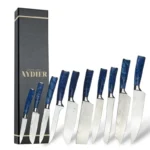
10-Piece Stainless Steel Knife Set with Blue Handle
Original price was: 404.40€.172.82€Current price is: 172.82€.
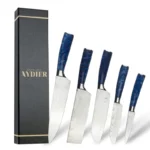
5-Piece Stainless Steel Knife Set with Blue Handle
Original price was: 197.01€.103.69€Current price is: 103.69€.
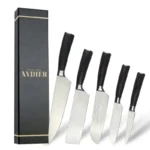
5-Piece Stainless Steel Knife Set with Pakka Wood Handle
Original price was: 197.01€.103.69€Current price is: 103.69€.
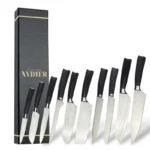
10-Piece Stainless Steel Knife Set with Pakka Wood Handle
Original price was: 404.40€.172.82€Current price is: 172.82€.
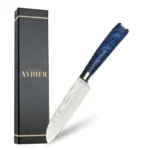
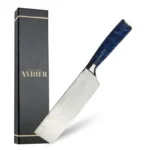
Kitchen Knives for Every Home and Professional Kitchen
Choosing the right kitchen knives is one of the most important steps in making cooking easier, safer, and more enjoyable. A good knife is not just a tool, it is the foundation of food preparation, shaping everything from speed and precision to the final presentation of your dishes.A Short History of Kitchen Knives
Knives have been part of human cooking traditions for thousands of years. Early blades were simple, made of stone or bronze. Over time, regions developed their own specialties. Japanese knives, for example, became known for their razor-sharp edges designed for precision tasks such as slicing sashimi. In Europe, the chef’s knife evolved into a versatile, all-purpose tool suited for chopping vegetables, cutting meat, and mincing herbs. Today, both styles influence modern kitchens worldwide.Materials That Make a Difference
The material of a knife blade determines not only its sharpness but also how it performs over time.- Stainless steel knives are resistant to rust and easy to maintain, making them ideal for everyday use.
- High-carbon steel knives hold an edge longer and offer exceptional sharpness, though they require a little more care to prevent staining.
- Damascus steel knives, with their distinctive wavy patterns, combine hardness and durability with craftsmanship that appeals to both professional chefs and cooking enthusiasts.
- A chef’s knife is the workhorse, perfect for chopping, slicing, and dicing.
- A Santoku or Japanese knife excels at precise cuts and thin slices.
- A paring knife helps with smaller tasks such as peeling or trimming.
- A bread knife with its serrated edge handles loaves without crushing them.
The Importance of Size and Balance
The size of a knife directly influences control and comfort. A shorter blade offers agility, while longer blades are better for cutting larger items like melons or roasts. Balance is equally important. When a knife feels natural in your hand, it reduces fatigue and increases safety. This is why professional chefs often recommend trying different sizes to find the most comfortable fit.Sharpening and Maintenance
Even the best kitchen knives lose their sharpness over time. Regular honing helps maintain the edge, while occasional sharpening restores full performance. Choosing the right cutting surface, such as a wooden or plastic board, also extends the life of your knives. Proper storage in a knife block, on a magnetic strip, or inside protective sheaths prevents unnecessary dulling and accidents.Building a Knife Collection That Works for You
Whether you cook simple weekday meals or elaborate dinners, investing in the right knives makes preparation easier and more enjoyable. Start with a chef’s knife, add a paring knife, and expand gradually based on your needs. Over time, you will build a set that suits your cooking style and lasts for years.Frequently Asked questions
What are the different types of kitchen knives and their uses?
Common kitchen knives include the chef’s knife for general chopping and slicing, the Santoku for precise cutting, the paring knife for small tasks, the bread knife for crusty loaves, and the utility knife for everyday prep. Specialty knives like the boning knife or carving knife are used for meats and more detailed work.
Which kitchen knife is essential for everyday cooking?
The chef’s knife is the most versatile and essential knife for most home cooks. It handles chopping vegetables, slicing meats, and mincing herbs with ease. If you prefer a lighter option, a Santoku knife can also serve as a reliable everyday knife.
What is the difference between stainless steel and high-carbon steel knives?
Stainless steel knives resist rust and are easier to maintain, making them practical for daily use. High carbon steel knives can take a sharper edge and hold it longer, but they require more care to prevent staining or corrosion. Many modern knives combine both for a balance of sharpness and durability.
How do I properly sharpen and maintain kitchen knives?
Use a honing steel regularly to keep the edge aligned and sharpen with a whetstone or professional sharpener when needed. Always wash knives by hand, dry them immediately, and store them safely in a block, drawer insert, or magnetic strip to protect the blades.
What size kitchen knife should I choose for my needs?
An 8 inch chef’s knife is a common choice for most kitchens, offering a balance of control and cutting power. Smaller 6 inch knives are easier to handle for beginners or cooks with smaller hands, while larger 10 inch knives are suited for big batches and larger ingredients.